


A Historical Odyssey: The Origins of the Sawing Illusion
The origins of the illusion known as “sawing a woman in half” can be traced back to the late 19th century, a period marked by significant advancements in performance art and theatrical entertainment. This captivating trick was first popularized by pioneering magicians, notably P.T. Selbit, who introduced the act to the public in 1921. His performance showcased not just the audacity of the illusion, but also a sophisticated blend of artistry and theatricality that captivated audiences, paving the way for future adaptations of the trick.
During the late Victorian era, the fascination with magic and illusion was burgeoning. This cultural context played a crucial role in the acceptance of the sawing illusion. Moreover, the societal shift regarding women’s roles in the public sphere contributed to the presentation of women in magic acts. As women began to emerge as both performers and subjects in these spectacular displays, the illusion became an intriguing example of changing attitudes. The shared thrill of danger—faced by the female assistant—added a layer of fascination, blurring the line between spectacle and vulnerability.

 The technical aspects of the sawing illusion evolved dramatically over the years. Early versions relied on rudimentary hidden compartments and clever misdirection, but as magic and illusion developed, performances became increasingly elaborate. Today, various interpretations of the sawing illusion exist, ranging from classic to modern adaptations, each showcasing the evolving nature of magic. As performers acquired more sophisticated tools and techniques, the illusion maintained its popularity, ensuring its place in the repertoire of magicians worldwide.
This historical journey reflects not only the evolution of a specific illusion but also a broader narrative of performance art during a pivotal time. The sawed woman illusion thus stands as a testament to the intersection of societal changes, artistic evolution, and the enduring allure of magic in entertainment.

The Anatomy of Illusion: How It Works
The sawing a woman in half illusion is a classic stage trick that captivates audiences through a combination of clever mechanics, artistry, and psychological manipulation. At its core, the illusion relies on a few key components: props, stage setup, and presentation techniques. The apparatus typically includes a large, open box or platform where the performer lies. This box is designed to be visually deceptive, often appearing to be fully enclosed while actually harboring hidden compartments that facilitate the illusion.
Props are essential in creating the effect of danger and excitement. A large saw is commonly used, which may be real or a prop designed to look authentic. This choice plays into the psychology of the audience, as the sight of a saw evokes immediate reactions of fear and anticipation. Stage setup is equally important; lighting, angles, and positioning can drastically alter the perception of what the audience sees. A well-orchestrated performance manages to misdirect the viewers’ attention at critical moments, allowing the illusion to unfold seamlessly.
Presentation techniques also play a crucial role in enhancing the illusion. The performer must embody confidence and charismatic flair, transforming what seems like a perilous act into a theatrical experience. Engaging the audience through humor or dramatization can make the illusion feel more intense while keeping them on the edge of their seats. Additionally, magicians utilize audience psychology to maintain the illusion of danger, ensuring that while the performer appears vulnerable, they remain entirely safe throughout the act. These elements combine to create a mesmerizing spectacle, ultimately reinforcing the captivating nature of the sawing a woman in half illusion.
Cultural Impact and Popularity of the Illusion
The illusion of sawing a woman in half has maintained a unique position in the realm of entertainment, captivating audiences for over a century. Its origins can be traced back to the Victorian era, a period known for its fascination with magic and spectacle. This illusion not only dazzled audiences but also sparked curiosity about the boundaries of reality and illusion, enchanting both laypeople and aficionados of magic alike. As an emblematic trick, it has appeared in various formats, including stage performances, films, and television series, contributing to its rich cultural tapestry.
One notable aspect of this illusion is its representation in popular media. For instance, iconic films such as “The Prestige” and television shows like “America’s Got Talent” have featured adaptations of the sawing a woman in half trick. These portrayals highlight the illusion’s ability to thrill, while simultaneously challenging viewers to decipher the mechanics behind it. Furthermore, the trick has been used to engage audiences on a visceral level, evoking gasps of disbelief and wonder. The spectators’ anticipation and intrigue transformed the experience into a communal spectacle where participation is key to the thrill.
Despite its popularity, the illusion has also been scrutinized through the lens of gender representation. The act often involves a woman as the primary participant, which raises questions about gender dynamics in entertainment. While some interpretations reinforce traditional stereotypes, others challenge viewers to reconsider these notions. This duality of the illusion serves to reflect societal attitudes towards women and their roles within performance art. By engaging with this trick, audiences not only experience wonder but also confront deeper themes surrounding gender and empowerment in the cultural narrative. As such, the sawing a woman in half illusion remains a compelling topic within the cultural discourse, embodying both the spectacle of magic and the complexities of gender representation.
Innovative Variations: Reimagining the Classic
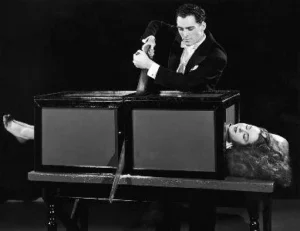 The art of magic has long been a reflection of cultural shifts and technological advancements, particularly evident in the evolution of the classic illusion of sawing a woman in half. Contemporary magicians have reinterpreted this well-known act by infusing it with creativity, modern themes, and advanced technology, leading to innovative variations that captivate audiences in new and exciting ways. The essence of the trick remains intact, yet the execution is adapted to resonate with today’s viewers.
One notable variation is the integration of multimedia elements, where projections and visual effects enhance the illusion. These performances often incorporate elements of storytelling, framing the act within a larger narrative that captivates the audience’s imagination. For instance, some magicians have used themes of empowerment, where the sawing act symbolizes overcoming challenges or societal constraints, thereby offering a deeper message while maintaining the core illusion.
Additionally, advancements in technology have permitted magicians to utilize digital effects, further augmenting the traditional method. Some performers employ drones or interactive holograms to create an illusion that engages audiences through a combination of visual spectacle and skillful sleight of hand. These innovative techniques not only showcase the flexibility of the original concept but also demonstrate how magicians are embracing current trends to keep their performances relevant and impactful.
The societal perceptions surrounding the illusion of sawing a woman in half have also shifted, prompting modern performers to approach the trick with greater sensitivity and awareness of feminist movements. As a result, some adaptations celebrate strength and agency, flipping the narrative from one that risks objectification to one that empowers the female figure on stage. These contemporary iterations illustrate the dynamic nature of magic as it continues to evolve, incorporating societal themes and technological advancements.
In summary, the classic illusion of sawing a woman in half has undergone a remarkable transformation through innovative, contemporary interpretations. By embracing current technology and addressing changing societal perspectives, modern magicians have breathed new life into this timeless act, ensuring its place in the annals of magic history for generations to come.
Recommended Next Read: Classic Stage Illusions That Captivate Audiences
Steven Warburton

Magic Collector, Magician, Escape Artist, Archivist. As a former practicing magician and escape artist, Steven Warburton has spent more than four decades as a dedicated magic collector. Leveraging a long-standing passion for web design and digital marketing, he has developed numerous eCommerce websites and opened the door on his massive magic trick collectibles. Professionally, Steven has built a 40-year career in the telecommunications and broadband industry, serving in executive leadership roles with leading Internet and broadband providers across the United States.
