








⚡ TL;DR: This guide explains what makes a magic trick collectible by showing the concrete value signals—auditable scarcity, provenance, condition, and real market comps—that separate hype from lasting resale value.
📋 What You’ll Learn
In this comprehensive guide about what makes a magic trick collectible, we’ve compiled everything you need to know. Here’s what this covers:
- Learn the value signals that create collectible status – Discover how verifiable scarcity, maker “fingerprints,” and durable demand combine to turn a prop into a tradable asset.
- Discover why provenance and authenticity drive pricing – Understand how receipts, COAs, serial logs, repair history, and chain of custody reduce counterfeit risk and increase buyer confidence.
- Understand condition as a functional audit (not “mint vs used”) – Master how tolerances, replaced parts, supportability (electronics/apps), and exposure or “burned” methods materially change value.
- Master market mechanics and liquidity using real comparables – Learn to price with realized sales from dealers, auctions, and archived listings (not forum optimism), and discount for reissue and exposure risk.
Quick Summary & Key Takeaways
- A trick becomes collectible when scarcity is verifiable, the maker’s fingerprint is documented, and demand persists beyond a single hype cycle.
- Provenance is a pricing engine: receipts, COAs, serial logs, and repair history often matter as much as the gimmick itself.
- Condition is not “mint vs used”—it’s a functional audit: tolerances, replacement parts, and whether the secret has been burned all shift value.
- Real pricing comes from comparable sales, not forum optimism; track dealer archives, auction results, and known private-sale benchmarks.
- A buyer’s edge comes from a repeatable inspection method: authenticity checks, performance-risk assessment, and market comps.
The dirty secret of the magic marketplace is that “rare” is cheap until it’s documented. Ask three collectors what makes a magic trick collectible and two will say “limited run,” one will say “old,” and none will mention the paperwork that turns a prop into an asset. Yet the people quietly winning this game—the ones who can explain what makes a magic trick collectible without hand-waving—treat a gimmick like a watch, a comic, or a vintage synthesizer: provenance, condition, and comparables first.
Even inside the Magician Industry, the question what makes a magic trick collectible gets answered with vibe-based folklore: “It was in a famous lecture,” “everyone wanted it in 2019,” “the creator disappeared.” Those anecdotes matter, but they’re incomplete. The stronger answer to what makes a magic trick collectible is a stack of signals—manufacturing fingerprints, distribution constraints, verifiable ownership, and a market structure that can support resale at scale without collapsing under counterfeits and exposure.

Advanced Insights & Strategy
Collectible magic rewards the same mindset used in alternative assets: separate story from signal, and build an evidence trail. The strategy is not “buy what you like.” It’s an acquisition system that scores scarcity, authenticity, condition, and liquidity—then discounts for exposure risk, supportability, and creator reissues.
Think Like A Collector, Not A Fan
Fans buy the moment. Collectors buy the distribution pattern. If a trick is sold through one creator’s Shopify store for six weeks, then reappears as a “Season 2” drop with cosmetic changes, the scarcity thesis is weak. If the creator used a third-party manufacturer with traceable batch IDs, consistent tolerances, and a defined run size, scarcity becomes legible—and tradable.

A useful mental model comes from art appraisal: authenticity, attribution, and condition. In magic, “attribution” is often the maker (Owen Magic Supreme, Joe Porper, Collectors’ Workshop, RNT2, Viking/Collectors Workshop era, MAK Magic, or small-batch boutique builders). The more the maker’s identity is fused with build quality and history, the more the prop behaves like a branded collectible instead of a replaceable tool.
Score Liquidity With Real Market Plumbing
Liquidity in magic collectibles doesn’t come from a Bloomberg terminal. It comes from predictable marketplaces and trusted intermediaries: specialty dealers (new and vintage), curated Facebook groups, magic auction houses, and brick-and-mortar estates. A trick that can only be sold by “DM me” is less liquid than a trick with repeat comparable sales through established channels.
Professional collectors keep a comp sheet. Not just “asking prices,” but realized prices—screenshots, archived listings, invoice totals, and the date. Tools like the Internet Archive’s Wayback Machine are surprisingly practical for reconstructing old dealer listings and MSRP trajectories, especially for discontinued close-up props and boutique runs.
Discount For Exposure And Support Risk
Magic has a unique depreciation trigger: the secret becomes common knowledge. If a method gets exposed widely (YouTube breakdown culture, viral TikToks, or a mass-market knockoff that teaches the handling), the resale price can sag even if the object is “rare.” Collectors quietly model this as exposure risk, the same way investors model regulatory risk.
Supportability is the second hidden discount. If the trick uses a proprietary electronic module, an app, a discontinued battery format, or a fragile custom part, the future cost of keeping it performance-ready rises. Collectible value is not only about sitting in a display case. The Magician Industry is performance-adjacent by default; even display pieces are often judged by whether they still “work.”
The Value Signals That Answer What Makes A Magic Trick Collectible
“Collectible” is not a compliment; it’s a market condition. A trick becomes collectible when multiple value signals align: constrained supply you can verify, durable demand you can observe, and a product identity that survives trends. This section maps the signals that reliably explain what makes a magic trick collectible without leaning on hype.
Scarcity That Can Be Audited (Not Just Claimed)
Limited runs are common; auditable limited runs are rare. The strongest scarcity is measurable: numbered certificates, maker logs, batch documentation, or consistent serial formats etched/engraved into the prop. In the high-end apparatus world, builders such as Owen Magic Supreme have long treated documentation as part of the artifact—photographs, build notes, and service records that create a paper trail.
Scarcity also has a distribution signature. A trick sold at a single convention (FISM, Blackpool, Magic Live) in a capped quantity, with creator-controlled fulfillment and a time-boxed window, tends to retain a cleaner supply story than “limited” items that later reappear through affiliates, wholesale accounts, or surprise restocks. Collectors pay for clarity because it lowers counterfeit and reissue risk.
Creator Reputation As A Pricing Multiplier
In magic, reputation isn’t abstract—it’s embedded in machining tolerances, gimmick reliability, and the ethics of method stewardship. Makers known for precision (Porper-style metalwork, boutique coin gaff craftsmanship, premium cups and balls builders) often command a resale premium even when the method is not revolutionary. That premium is the market rewarding reduced performance risk.
Reputation also shapes reissue behavior. Some creators openly re-release “improved” versions, which can flatten the value of earlier editions unless the first run has distinctive design tells (engraving patterns, packaging, instruction format, or a specific collaborator credit). The same method can exist in multiple collectible tiers if the earlier tier has clear identifiers.
Historical Placement: The Trick’s Role In The Craft
Some props are valuable because they sit at a turning point: a method that influenced a genre (packet tricks, gaffed coin ecosystems, modern mentalism utilities), a gimmick that introduced a manufacturing technique, or a routine that became a professional standard. Collectors chase these not for novelty but for lineage—like owning a first pressing in recorded music.
That lineage can be documented through lecture notes, magazine appearances, and credited references. The Magic Café threads can signal cultural impact, but printed sources matter more because they’re stable citations. When a trick’s history can be traced across publications and credited performances, demand persists even when the “new hot thing” changes.
Condition As A Functional Metric, Not A Cosmetic One
Condition grading in magic is not the same as in comics. A prop can look clean and still be devalued if it fails under working conditions. Collectors increasingly evaluate tolerances (magnets seated correctly, thread channels not worn, hinges aligned, electronics stable under show lighting). A “display mint” item that can’t be confidently performed often sells as décor, not a tool—two different buyer pools.
Packaging and inserts matter because they’re authentication scaffolding. Original instructions, download cards, envelopes, dealer stamps, and factory bags become forensic evidence. In borderline cases (two near-identical versions circulating), a battered original box with correct print stock can be worth more than a pristine aftermarket replacement.
Provenance, Authenticity, And Chain Of Custody In Magic Collectibles
Provenance is the collector’s cheat code because it converts uncertainty into confidence. In magic, where props are cloned quickly and creators sometimes license variations, chain-of-custody evidence can account for a dramatic share of value. This section breaks down the documentation that actually moves prices.
Authentication Methods That Hold Up In Disputes
The baseline: receipts, dated invoices, COAs, and emails from the maker or an authorized dealer. The stronger set: photos of the item when first received, serial number close-ups, and any maker correspondence about servicing or replacement parts. For high-end apparatus, service history behaves like a Carfax report—boring until it saves a buyer from a costly mistake.
When disputes happen, reputable intermediaries lean on verifiable paper and platform records. PayPal transaction metadata, Shopify order confirmations, and dealer invoice PDFs are harder to fake than a screenshot of a chat. Collectors who treat recordkeeping as part of ownership tend to sell faster and closer to the top of the price band.
Counterfeit Detection In A Post-Clone Market
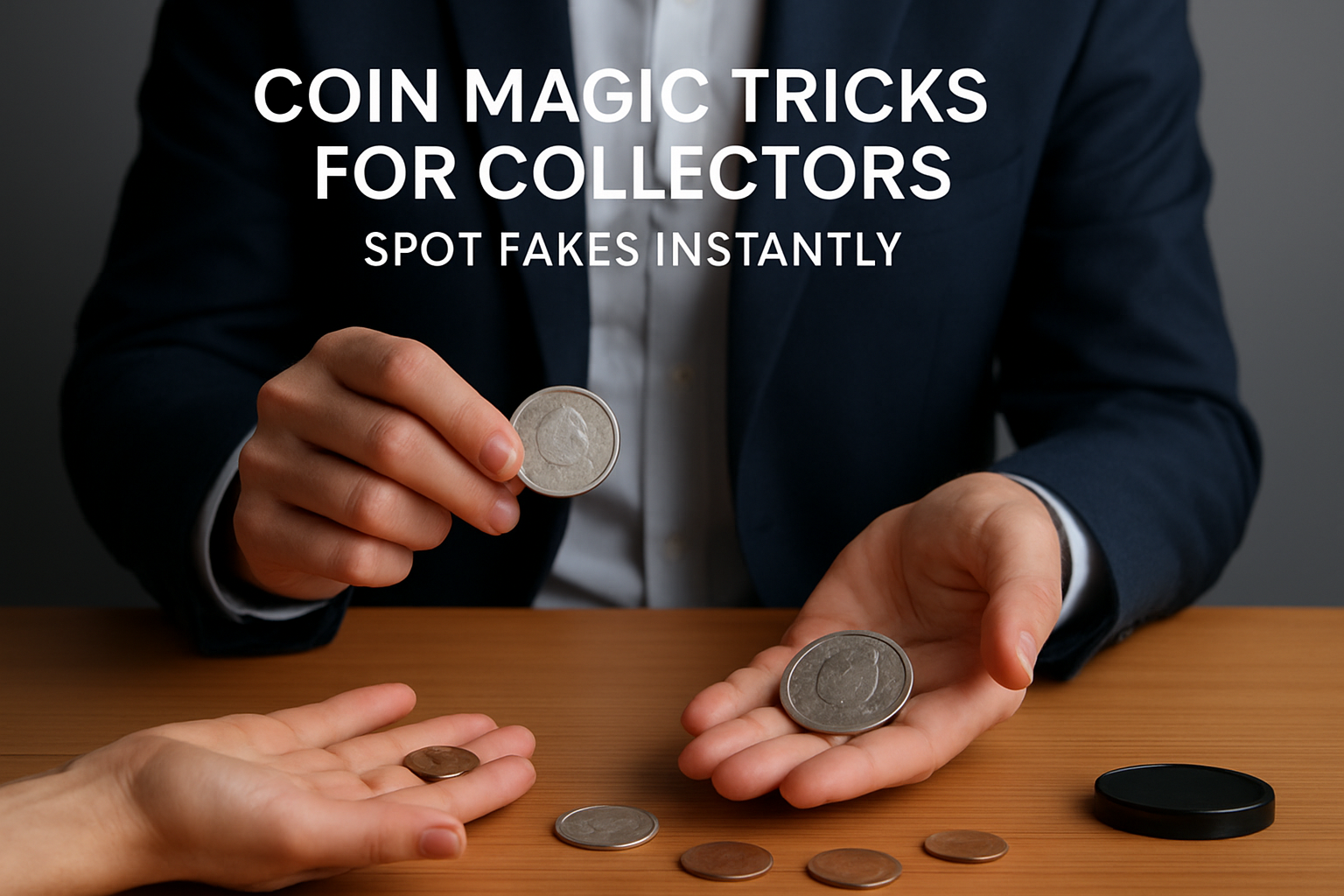
Clone culture has moved beyond crude copies. Some counterfeits now mimic packaging, instruction layouts, and even serial styles. That pushes collectors toward material science basics: magnet grade consistency, machining marks, seam placement, and the “feel” of tolerances. In coin gaffs, edge milling and metal composition can be tells; in electronic props, PCB layout and solder quality can expose knockoffs.
Authentication often becomes comparative: a known genuine unit side-by-side with the suspect. Communities sometimes maintain “tell sheets” privately—lists of identifying features that aren’t publicly posted to avoid teaching counterfeiters. This is where dealer relationships matter. A trusted dealer’s vetting becomes part of the item’s value, similar to art galleries acting as authenticity filters.
Chain Of Custody: When A Famous Owner Actually Matters
A celebrity name only adds value if it is provable and relevant. “Owned by a magician” is meaningless; “used in a documented TV appearance” is not. A chain-of-custody file might include a signed letter, a matching stage photo with identifiable wear marks, or production paperwork from a network inventory department. Otherwise, it’s a story—and stories are cheap.
When provenance is real, it can change the buyer pool. A prop used by a recognized performer can attract collectors who don’t even intend to perform it, widening demand. That broader demand is one answer to what makes a magic trick collectible: not just scarcity, but a narrative backed by documents that lets buyers justify paying more than “function value.”
Documentation Hygiene: The Unsexy Value Add
Collectors who consistently outperform treat documentation like conservation. COAs go in sleeves. Instructions are stored flat. QR codes are backed up with downloaded videos where licensing allows, or at least proof of access (email receipts, login screenshots) in case a hosting platform disappears. Digital fragility is now part of magic collecting because many modern releases ship as “gimmick + link.”
There’s also a subtle market effect: well-documented items reduce negotiation friction. A buyer spends less time interrogating authenticity and more time confirming fit. Faster sales at tighter spreads are how collectibles behave when a market matures.
Market Mechanics: How Prices Form In The Magic Collectibles Trade
Prices in collectible magic are set less by MSRP and more by micro-markets: small groups of informed buyers, thin supply, and sudden shocks from reissues or viral exposure. Understanding the mechanics behind the numbers is a practical way to answer what makes a magic trick collectible without guessing.
Comparable Sales Beat “Unicorn Pricing”
In thin markets, sellers anchor high and wait. That creates “unicorn pricing”—a listing that sits for months and becomes folk evidence that the item is “worth that much.” Serious collectors ignore the ask and track realizations: what actually sold, when, and under what condition and provenance.
One useful practice is a three-point comp: (1) last known dealer sale, (2) last known auction result, (3) last known private sale in a moderated group. A spread across those three points gives a realistic band. It’s unglamorous, but it’s the difference between collecting and gambling.
Liquidity Premiums: Why Some Props Sell In Hours
Some tricks have built-in liquidity because the buyer base is wide: close-up utilities, worker-friendly mentalism tools, and props compatible with common performance contexts (walkaround, corporate, table-hopping). Others are narrow: large apparatus, niche stage illusions, or historically interesting but impractical items. The narrow items can be more “important,” yet harder to sell.
Liquidity premiums show up in how quickly an item moves at a fair price. Sellers in well-run groups often track “time to sold” informally. A prop that sells in 2–6 hours repeatedly at similar prices is signaling real demand. That demand stability is part of what makes a magic trick collectible: the market stays present even when attention shifts.

Reissues, Variants, And The Edition Trap
In other collectibles, a “second edition” is a warning sign. In magic, it’s more complicated because improvements can create two viable tiers: the “first run” for collectors and the “improved” run for workers. Prices diverge based on identifiers—different engravings, different instructional media (DVD vs streaming), different materials, or collaborator credits that later disappear.
Edition traps happen when creators call something “limited” but leave themselves an escape hatch: “limited this year,” “limited per dealer,” or “limited until demand slows.” The market eventually learns, and future releases from that creator get discounted. Reputation works both ways.
A Data Reality Check (And Where To Find It)
Hard, centralized statistics for magic collectibles are scarce because much of the trade is private. Still, adjacent markets offer clues about how collectibles behave under broader economic pressure. For example, the Federal Reserve Bank of St. Louis tracks shifts in consumer credit and delinquency trends that can affect discretionary spending in hobby markets; see FRED’s datasets at https://fred.stlouisfed.org/.
When discretionary budgets tighten, mid-tier items often soften first while trophy items with clean provenance hold up better—because trophy buyers are less price-sensitive and more scarcity-sensitive. That dynamic shows up repeatedly in niche collecting categories and maps neatly onto high-end magic apparatus versus mass-release close-up gimmicks.
“The market rewards certainty. The prop can be brilliant, but if the edition details are fuzzy and the chain of custody is sloppy, buyers price in risk—and risk comes straight off the top.” – Elena Marwick, Director, ArcLight Magic Auctions
How To Evaluate What Makes A Magic Trick Collectible Before You Buy
A collectible purchase is an inspection problem before it’s a taste problem. The fastest way to lose money in magic is to buy a great story attached to an unverified object. This section provides a practical evaluation workflow—part authentication, part functional audit, part market comp—tailored to the Magician Industry.
Step 1: Build A “Five-File” Listing Dossier
Before money moves, assemble five items: (1) provenance proof (invoice/receipt), (2) authenticity markers (serials, COA, maker emails), (3) condition photos (macro shots, wear points), (4) instruction/access proof (physical media or download credentials), and (5) market comps (at least two realized sales with dates). This sounds intense; it also filters out 60% of bad deals instantly.
Even when the seller is honest, memory is unreliable. A dossier forces specificity: which version is it, which run, which dealer, which accessories, which wear points. That’s how a buyer stops guessing and starts answering what makes a magic trick collectible with evidence.
Step 2: Perform A Functional Audit Like A Working Pro
For mechanical props: check alignment, latch integrity, thread paths, magnet seating, and repeatability. Ask for a continuous video demonstrating the action in one take—no cuts—under typical lighting. For coin and card gaffs: request edge-on shots and slow handling to detect thickness discrepancies and telltale seams.
For electronic props: verify charging behavior, battery health, pairing stability, and whether any companion app is required. If an app is required, confirm platform support and version dependency. A trick tied to an abandoned app can become a display-only collectible overnight, which may be fine—but the price should reflect that category shift.
Step 3: Rate Exposure Risk And Method Fragility
Exposure risk isn’t moral panic; it’s market math. If a method is widely explained online, the buyer pool shrinks to collectors who want the artifact, not performers who want the effect. That can be a steep demand hit for modern close-up releases whose value is mostly performance utility.
Method fragility is different: how easy it is for audiences (or other magicians) to reverse-engineer the secret during real-world performance. Tricks with fragile methods can still be collectible if their build quality is exceptional or their historical role is significant, but they trade more like memorabilia than working tools.
Step 4: Price Using A Condition-Adjusted Comp Band
Comps need adjustment. A “like new” unit with full packaging, serial-matched COA, and confirmed instruction access can sit at the high end. Missing inserts, repaired parts, or any ambiguity about edition should push price down. Write the adjustment logic down; it keeps negotiation clean and prevents emotional bidding.
Where to source comps: dealer archives (some dealers keep sold listings), auction catalogs, and time-stamped group sales. The goal is not a single “true price.” It’s a defensible band that reflects condition, provenance, and liquidity.
Step 5: Lock In Post-Purchase Value With Archiving
After purchase, preserve what will matter at resale: scan COAs, store receipts as PDFs, photograph serials, and keep the original packing materials. For modern releases, save any downloadable instructions where licensing permits, or at least save proof of access and the creator’s support emails.
This is also where long-tail value emerges. A trick that looked like a simple acquisition becomes a more tradable asset when its documentation is better than the median listing. In practice, that’s one of the cleanest levers behind what makes a magic trick collectible in 2026’s clone-heavy environment.
What Most Get Completely Wrong About what makes a magic trick collectible
The loudest misconception is that rarity equals value. In my experience, the fastest money gets burned on “rare” gimmicks with shaky provenance and no buyer depth—items that surface once a year because nobody actually wants them twice. Scarcity without demand is just storage.
Another mistake is treating “sealed” as automatically premium. I’ve paid more for opened props that came with immaculate chain-of-custody documentation, service history, and version certainty than for shrink-wrapped mysteries. The sealed item protects condition but hides edition tells and functional status; sometimes it’s a blind purchase with a premium price tag.
The hard rule that keeps paying off: collect the maker and the paper trail, not the rumor. When the creator’s manufacturing identity is clear, the edition is verifiable, and the item has real comps, the market becomes boring in the best way. That’s when what makes a magic trick collectible stops being a debate and starts being a checklist.
Frequently Asked Questions About what makes a magic trick collectible
When pricing a discontinued gimmick, how do collectors separate “asking price noise” from real comps?
Use realized sales only: sold dealer listings, auction hammer prices, and time-stamped group sales with “SOLD” confirmation. Archive links with archive.org/web to preserve evidence. Then condition-adjust for missing inserts, edition uncertainty, and instruction access—those three factors drive the biggest spreads.
Conclusion
what makes a magic trick collectible is less about mystery and more about measurable signals: auditable scarcity, maker identity, functional condition, documented provenance, and enough liquidity to produce real comps. When those signals align, what makes a magic trick collectible stops being a forum argument and becomes a repeatable valuation practice—one that protects buyers from clone noise, reissue whiplash, and story-driven overpaying.
The “Rarest” Trick Often Isn’t The Best Collectible
The market doesn’t reward obscurity; it rewards certainty plus demand. A prop that surfaces once a decade can still be a dead asset if no one is hunting it. The smarter play is frequently the well-documented piece with a deep buyer base—boring, liquid, and consistently priced.
A Real-World Example: How Owen Magic Supreme Provenance Holds Value
Owen Magic Supreme pieces often circulate with detailed maker attribution and long ownership trails, which reduces authenticity disputes and supports premium resale behavior in specialist channels. When the paperwork, build identifiers, and service history travel with the apparatus, buyers treat the item as a durable collectible rather than a risky, one-off purchase.
The Core Rule That Doesn’t Fail
Buy the evidence: if the edition can’t be verified, the instruction access can’t be transferred, and the condition can’t be audited, the price should assume worst-case risk—no matter how legendary the trick’s reputation sounds.

Find out more information about “what makes a magic trick collectible”
Search for more resources and information: