









Vintage Card Magic That Wins Any Crowd in Seconds
This guide explains vintage card magic by showing how story-driven “fairness cues,” tight pacing, and fast resets win any crowd in seconds.


This guide explains vintage card magic by showing how story-driven “fairness cues,” tight pacing, and fast resets win any crowd in seconds.
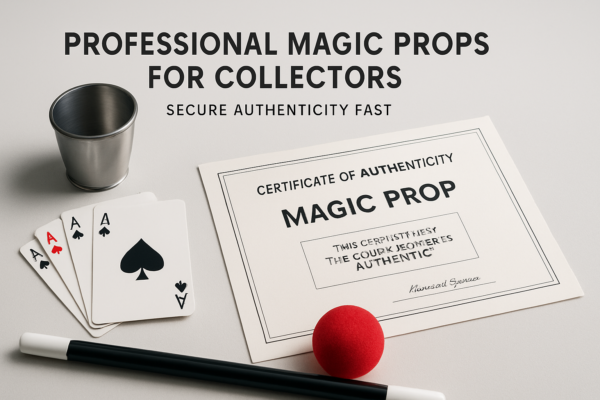
This guide explains how to authenticate professional magic props for collectors fast using forensics-first checks, maker signals, and chain-of-custody proof.

This guide explains how rare magic illusions trigger faster, bigger stage reactions by breaking audience recognition with disciplined information control.

This guide explains how scarce magic tricks function as controlled assets—limited builds, licensed performance rights, and strict handling—that protect exclusivity and raise fees.

This guide explains what makes a magic trick collectible by showing the concrete value signals—auditable scarcity, provenance, condition, and real market comps—that separate hype from lasting resale value.
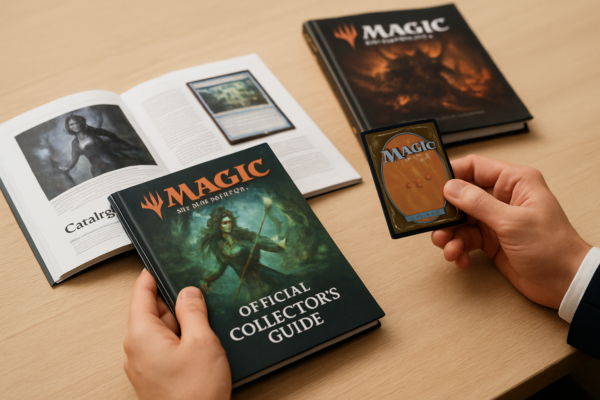
This guide explains how collectible magic catalogs verify rare items using dated print evidence, SKUs, and print-forensics.

This guide explains how magician history collectibles gain real resale upside through dual-demand ephemera, provenance ladders, and smart exit-channel timing.

This guide explains how brick and mortar magic shops outcompete online-only sellers by productizing trust with demos, QA, and fast shipping.

This guide explains how vintage magic shop history is verified through provenance, material forensics, and market signals—not “old-looking” patina.

This guide explains how famous magic trick inventors engineer, test, and license modern illusions through a backstage supply chain.